
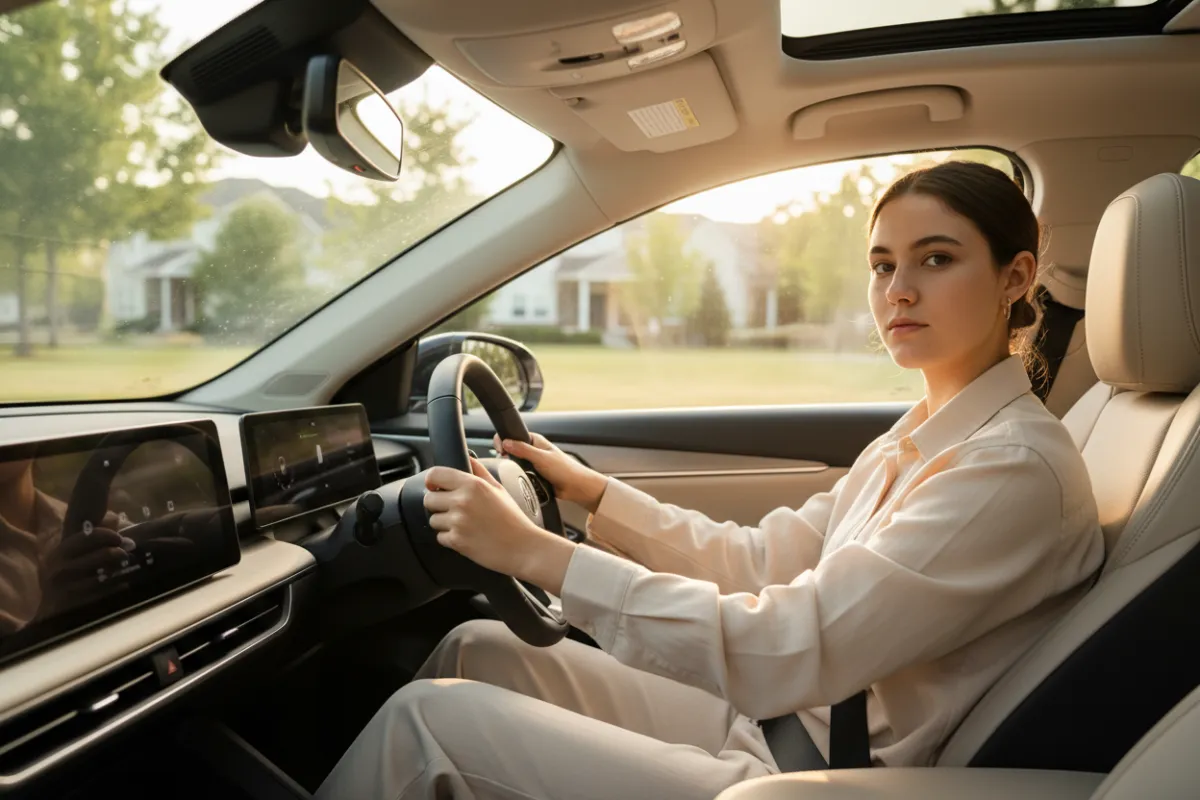
What Is the Best Way to Learn to Drive a Car? Complete Guide Blog Post
What Is the Best Way to Learn to Drive a Car? (Complete Guide for New Drivers)
Learning to drive is one of the most exciting skills you’ll ever master—but knowing where to start can feel overwhelming. The best way to learn to drive a car is to combine professional instruction, consistent practice, and a clear step-by-step learning plan that builds confidence safely and efficiently.
Whether you’re a teenager getting your first permit or an adult learning later in life, this guide will show you the most effective, proven methods to become a safe, confident driver.
1. Start With a Professional Driving Instructor
If you want to learn the right way from day one, nothing beats driving lessons with a licensed instructor. They teach proper techniques, prevent bad habits, and help you understand the rules of the road.
Benefits of learning with a driving instructor:
Structured lessons that follow DMV guidelines
Clear explanations and calm guidance
Dual-brake cars for maximum safety
Immediate feedback to improve faster
Increased chance of passing the road test on your first try
If you’re a nervous driver or have never been behind the wheel, this is the safest and most efficient starting point.
2. Practice Regularly With a Trusted Adult
Professional lessons give you the foundation—consistent practice builds skill.
Look for someone who is patient, experienced, and familiar with the rules. Avoid practicing with someone who yells, panics, or corrects too late because this creates fear and bad habits.
Best ways to practice:
Start in empty parking lots
Move to quiet residential streets
Increase difficulty gradually—intersections, traffic, highways
Practice turns, lane changes, parking, merging, and braking smoothly
Drive in different weather conditions when ready
Consistency is everything. Short, regular sessions outperform long, stressful ones.
3. Learn the Basics Before You Start the Car
Understanding the controls helps reduce anxiety and improves confidence.
Know your vehicle’s essentials:
Mirrors and blind spots
Gas pedal vs. brake pressure
Gear shifting (automatic or manual)
Dash indicators and warning lights
Steering wheel hand positions
Seat and mirror adjustments for safety
A few minutes studying the car before driving can make the whole lesson smoother.
4. Focus on Defensive Driving From the Beginning
The best drivers aren’t just skilled—they’re aware.
Defensive driving habits include:
Keeping a safe following distance
Predicting what other drivers might do
Staying calm in unexpected situations
Checking mirrors every 5–8 seconds
Avoiding distractions like texting
Observing speed limits and road signs
Learning these habits early prevents accidents and helps you pass the road test easily.
5. Don’t Rush Onto the Highway
Highway driving requires confidence and precise control. You should only go when you’ve mastered:
Smooth acceleration
Steady lane control
Checking blind spots
Merging at proper speed
A driving instructor or skilled adult should guide your first few highway sessions.
6. Learn Parking the Right Way
Parking is one of the most feared tasks for new drivers—but it becomes simple with step-by-step guidance.
Practice these parking skills:
Parallel parking
Reverse parking
Angle parking
Three-point turns
These are also essential for passing your road test.
7. Study the Driver’s Manual and Take Practice Tests
Driving is not only physical—it's mental.
Study your state’s driver manual, especially sections about road signs, right-of-way, and safety laws.
Online permit practice tests help you learn faster and prepare for:
The written knowledge test
Real-world driving scenarios
Road test questions and expectations
8. Stay Calm and Practice Patience
Learning to drive takes time. Even the best drivers struggled in the beginning.
If you feel nervous:
Practice breathing techniques
Take breaks when needed
Ask your instructor to go slower or repeat
Focus on progress—not perfection
With the right support, confidence will come naturally.
9. Take a Full Driving Course for the Fastest Improvement
A structured driving program is the best way to learn quickly and safely. Most courses include:
Classroom or online lessons
Road test preparation
Defensive driving education
This combination gives you the strongest foundation to become a skilled driver.
10. Know When You’re Ready for the Road Test
You’re prepared when you can confidently:
Drive without sudden stops or over-steering
Change lanes smoothly
Navigate intersections safely
Follow speed limits accurately
Park without assistance
Make decisions calmly
Your instructor can help determine your readiness and correct final mistakes.
Final Answer: What Is the Best Way to Learn to Drive a Car?
The best way to learn to drive is to follow a structured plan:
Start with a professional instructor
Practice regularly with a trusted adult
Learn vehicle basics
Study defensive driving
Increase difficulty slowly
Stay patient and consistent
This combination creates confident, safe, responsible drivers—no matter your age or experience.
FAQ: Best Way to Learn to Drive a Car
1. How long does it take to learn to drive?
Most new drivers take 6–12 weeks, depending on practice frequency and skill level.
2. Is it better to learn with an instructor or family member?
Both. Instructors teach proper technique; family helps you get extra practice.
3. Can adults learn to drive quickly?
Yes—many adults learn faster because they are more focused and motivated.
4. What should I practice first as a beginner?
Start with steering, braking, parking-lot driving, and basic turns.
5. How do I stop being nervous while driving?
Take lessons with a calm instructor, drive in low-stress areas, and build confidence gradually.
